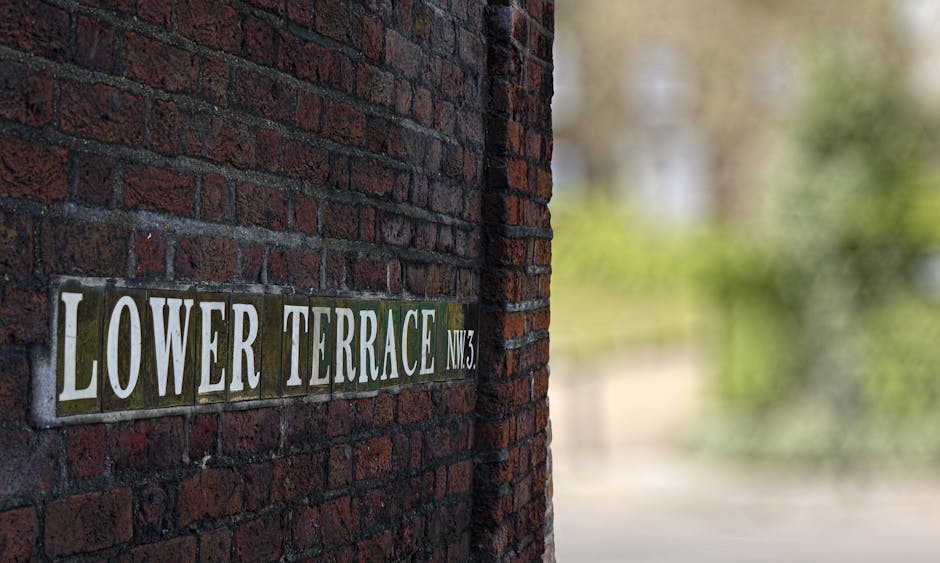
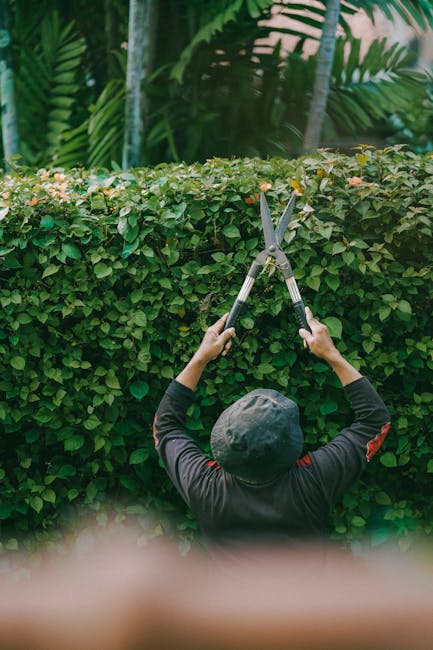
Small garden design and gardeners for Seven Sisters Road homes: making compact outdoor spaces work beautifully
If you live on or near Seven Sisters Road, you probably know the feeling: a small garden that has more potential than personality. Maybe it is a narrow rear yard, a split-level patio, a tiny front garden, or a shaded space that never quite looks finished. The good news is that Small garden design and gardeners for Seven Sisters Road homes is not about squeezing in as much as possible. It is about creating a space that feels calm, usable, and easy to keep tidy without turning weekend life into a chore.
In a dense London setting, small gardens have to work harder. They need to look good from the kitchen window, cope with patchy light, and still leave room for the practical things: bins, bicycles, washing lines, pets, or a couple of chairs when the weather behaves itself. This guide walks through how small garden design works, what local homeowners should prioritise, and when it makes sense to bring in professional gardeners or landscapers for help.
Table of Contents
- Why small garden design matters
- How the process works
- Key benefits and practical advantages
- Who this is for and when it makes sense
- Step-by-step guidance
- Expert tips for better results
- Common mistakes to avoid
- Tools, resources and recommendations
- Law, compliance, standards, and best practice
- Options, methods, and comparison table
- Case study or real-world example
- Practical checklist
- Conclusion
- Frequently asked questions
Why Small garden design and gardeners for Seven Sisters Road homes Matters
Small gardens are often underestimated. People assume there is not enough space to justify design work, so they leave it for later. Truth be told, that usually means the same problems keep coming back: muddy corners, tired planting, no clear seating area, and a layout that feels cramped rather than intentional. A well-planned small garden can change the whole feel of a home, especially where outdoor space is precious and every square metre needs a reason to exist.
For Seven Sisters Road homes, the context matters. Many properties in and around this part of London have compact rear gardens, front plots with street exposure, or awkwardly shaped outdoor spaces that need careful thinking. A good gardener does not just "tidy up". They assess light, access, drainage, privacy, maintenance levels, and how you actually use the space day to day. That is the difference between a garden that looks nice for a week and one that keeps working for months.
It also matters because small spaces show clutter quickly. One overgrown shrub, a cracked paving edge, or a patch of dead lawn can dominate the whole view. The upside is just as strong: if the layout is right, a small garden can feel restful, stylish, and surprisingly generous. That is where thoughtful design and reliable maintenance come in together.
How Small garden design and gardeners for Seven Sisters Road homes Works
The process usually begins with a practical assessment rather than a grand design sketch. A professional will look at the shape of the garden, the amount of sun and shade, soil condition, drainage, access points, and what needs to stay or go. In a smaller London garden, those details matter more than in a large plot because there is nowhere to hide a bad decision. A path that is too wide, for example, can swallow the whole garden. A hedge in the wrong place can block light for half the year.
From there, the design is normally built around zones. That could mean a seating area, a planting border, a narrow strip for privacy screening, and a practical section for storage or bin access. A good layout uses edges well. Walls, fences, raised planters, and even vertical trellis panels can create structure without making the garden feel busy. The aim is to make the eye travel cleanly from one point to the next.
Maintenance is part of the process too. A small garden only stays attractive if it is easy to care for. That might mean regular garden maintenance, occasional lawn mowing, seasonal hedge shaping, or a complete tidy-up before new planting begins. In some cases, the garden first needs a proper reset through garden clearance before any design work makes sense at all.
To be fair, not every garden needs a full redesign. Sometimes the best result comes from a few smart interventions: better planting structure, clearer edges, more usable hard landscaping, and a maintenance routine that keeps everything from slipping back. Simple. But not always easy, of course.
Key Benefits and Practical Advantages
Small garden design is not just about looks. It creates real everyday value. A tidy, well-zoned outdoor space is more pleasant to use, easier to manage, and often feels larger than it really is. That is especially useful in busy homes where outdoor space doubles as a social area, a place for kids to play, or a quiet spot to have tea when the weather decides to be kind for once.
- Better use of limited space: Every corner is planned with purpose rather than left to chance.
- Less maintenance stress: A practical layout reduces the time spent battling weeds, overgrowth, and awkward corners.
- Improved light and openness: The right planting and structure can make a garden feel brighter and less boxed in.
- More privacy: Thoughtful screening can soften views from neighbouring properties without making the space feel closed off.
- Stronger kerb appeal: Small front gardens and visible rear spaces can lift the whole look of a property.
- Better seasonal use: Good design helps a garden look presentable through winter, not just during summer.
There is also a financial angle, although it is wise not to overstate it. A neat, functional garden can support a home's overall presentation and day-to-day appeal. More importantly, it makes the space feel like part of the home rather than an afterthought. That feeling counts.
If you want the wider picture of service support, it can help to look at the full range of gardening and landscaping services overview and decide what combination of work suits your space. Some projects need design plus maintenance. Others need only one or two targeted jobs.
Who This Is For and When It Makes Sense
This kind of work suits homeowners who have a small outdoor space but want more from it. It is especially relevant if you live in a terraced house, a converted flat with a courtyard, a narrow back garden, or a front garden that has become a bit neglected. If the garden feels like a space you pass through rather than use, that is usually the clue. Not glamorous, perhaps, but very common.
It also makes sense if you are preparing to move house and want the garden to look neat and welcoming. Or maybe you have just moved in and the previous layout does not suit your life. Some people want low-maintenance planting because they travel a lot. Others want a child-friendly space that can take a bit of rough and tumble. Different goals, same starting point: make the garden fit the household, not the other way round.
You may want professional help if:
- the garden feels too small to arrange properly on your own;
- there is poor drainage or heavy shade;
- you need privacy from neighbouring windows;
- the space is overgrown and hard to reclaim;
- you want paving, planting, decking, or edging done neatly;
- you do not have time to keep on top of routine care.
For many Seven Sisters Road homes, a mix of design and upkeep is the sweet spot. A one-off makeover can help, but regular attention is what stops the garden sliding back into "we'll deal with it next month" territory. And next month, as we all know, has a habit of disappearing.
Step-by-Step Guidance
If you are approaching a small garden project for the first time, keep the process simple. Good results usually come from steady decisions rather than rushed ones.
- Measure the space properly. Write down the lengths, widths, and any awkward sections. Include doors, steps, drains, shed access, and the places where you naturally walk.
- Map the light. Notice where sun lands in the morning and later in the day. A garden that looks bright at noon may be very different by 4pm.
- Decide how you want to use it. Seating, planting, play space, storage, cooking, or just visual calm? Choose the main purpose first.
- Remove the clutter. If the space is crowded with old pots, broken furniture, or dead growth, start with a clean slate. A proper reset through garden clearance can make the design decisions much clearer.
- Choose a layout with one clear focus. In a small garden, too many features fight each other. One focal point is usually enough.
- Use structure before decoration. Paths, planters, screens, and edges should come before small accessories.
- Pick planting that suits the site. Shade, wind, soil, and upkeep level all matter. A plant that looks lovely in a shop can be a pain in a shaded courtyard.
- Build in maintenance from day one. Ask what needs trimming, feeding, watering, or seasonal refreshes.
A useful habit is to stand in the garden at different times of day before you finalise anything. Morning light can make a space feel open, while evening shadow reveals the truth. A bit annoying, yes, but very revealing.
Expert Tips for Better Results
Small gardens reward restraint. That may sound a little dull, but it is usually where the best results come from. Too many materials, too many colours, too many plant types, and the whole thing starts to feel busy. A calm palette often works better: one or two paving tones, a small group of plants repeated in blocks, and maybe one standout texture to anchor the space.
Here are a few practical tips that make a real difference:
- Go vertical where you can. Climbing plants, trellis, and slim planters draw the eye upward and free up floor space.
- Keep lines clean. Straight edges and crisp borders make compact gardens feel more intentional.
- Repeat materials. If decking, stone, or gravel is used, repetition helps the garden feel cohesive.
- Choose plants with a job. Some provide screening, some add colour, some soften walls. Let each plant earn its place.
- Think about maintenance before buying anything. If you do not enjoy constant trimming, do not build the whole garden around hungry, fast-growing plants.
Professional support can be especially useful for edging, planting balance, and long-term upkeep planning. If your garden includes hedges that quickly lose shape, periodic hedge trimming keeps the whole space tidy and prevents the garden from feeling smaller than it is. And if lawn patches are part of the design, a routine lawn mowing schedule keeps the finish neat rather than patchy.
One small but important point: a tiny garden does not need tiny ambition. It just needs disciplined decisions. There is a difference.
Common Mistakes to Avoid
The most common mistake is trying to do too much. People often see a small garden and think every inch must be "used". That leads to overfilling, which makes the space feel tighter. A few empty areas, or visual pauses, are not wasted space. They are breathing space.
Another issue is ignoring maintenance. A complicated design may look great on day one, then become a burden by month three. In small gardens, low-maintenance usually wins over high-drama. Not always, but usually.
- Using oversized features: Large furniture or oversized pots can overwhelm a compact space.
- Forgetting access: If you cannot comfortably reach planting beds or storage areas, the layout is wrong.
- Choosing plants for looks only: Consider height, spread, watering needs, and seasonal behaviour.
- Neglecting drainage: Small gardens can suffer badly from pooling water, especially after heavy rain.
- Blocking light with dense planting: Screening is useful, but too much can create a gloomy box.
- Starting without a clear brief: If nobody agrees whether the garden should be for entertaining, relaxing, or low-maintenance use, the result can feel muddled.
And one more, which sounds obvious but happens all the time: do not leave the "final tidy-up" for later. Later is where the old pots and half-finished edging projects go to die. A garden is much easier to judge when it is clean.
Tools, Resources and Recommendations
You do not need a shed full of equipment to improve a small garden, but the right tools save time and reduce mess. For homeowners who like to handle lighter upkeep themselves, a decent hand trowel, secateurs, edging tool, watering can, stiff brush, and pruning saw can cover a lot of ground. For larger tasks, professional equipment is often safer and faster, especially when clearing roots, shaping hedges, or lifting old materials.
From a service perspective, the most useful support for small gardens is often a blend of practical jobs rather than a single "big" job. For example:
- landscaping for shaping the structure of the space;
- decking services if you want a clean, raised seating area;
- ongoing maintenance to keep planting, edging, and surfaces in check;
- landscape gardening when the project needs design thinking as well as hands-on work;
- tree lopping and removal where large trees or heavy branches are limiting light or space.
For many households, starting with a discussion of priorities is more useful than asking for a long wishlist. A good brief might say: "We need more light, more privacy, and less maintenance." That gives direction without overcomplicating things. It also helps avoid unnecessary features that look fine in a brochure but not so great in a 2.5-metre-wide garden.
If you want to compare service options, the pricing and quotes page is a sensible place to understand how scope and complexity can affect the work. For company background and approach, the about us page is worth a look too.
Law, Compliance, Standards, or Best Practice
Small garden work is usually straightforward, but there are still sensible standards to follow. If trees are involved, branches may need to be handled with care, and in some cases permissions or responsibilities can apply depending on ownership, location, and local protections. That is not something to guess at. A reputable gardener or landscaper will flag issues early rather than steam ahead and hope for the best.
Health and safety matters as well, especially with tools, ladders, power equipment, lifting, and waste removal. Good practice means clear working methods, attention to access routes, and proper handling of sharp or heavy materials. If someone is working on your property, it is reasonable to expect professional standards, safe conduct, and tidy working practices. No muddy footprint marathon through the hallway, ideally.
Recycling and responsible waste handling are also part of good garden practice. Green waste, old timber, broken fixtures, and leftover materials should be sorted sensibly where possible. If sustainability matters to you, it is worth asking how waste is managed and whether reusable materials can be retained or repurposed. The recycling and sustainability page is a useful reference point for that broader approach.
There are also practical trust signals worth checking before any work begins. For example, a business that clearly explains its insurance and safety standards, has a readable health and safety policy, and publishes fair payment and security information is usually easier to deal with. That kind of clarity is not flashy, but it matters.
Options, Methods, or Comparison Table
There is no single right way to improve a small garden. The best approach depends on budget, current condition, and how much upkeep you are willing to take on. The table below gives a simple comparison of common methods.
| Approach | Best for | Pros | Trade-offs |
|---|---|---|---|
| Light tidy and routine maintenance | Gardens that are generally functional but messy | Quick improvement, lower cost, keeps things under control | Does not solve deeper layout problems |
| Targeted redesign | Small gardens with one or two obvious issues | Better flow, better use of space, often more affordable than a full remodel | Still needs some planning and decision-making |
| Full landscaping project | Very awkward, overgrown, or outdated spaces | Complete transformation, tailored structure, long-term value | More disruption and usually more coordination |
| Design plus maintenance plan | Homes that want a polished look all year | Balances aesthetics with practicality, prevents decline | Requires ongoing commitment |
For many Seven Sisters Road homes, the middle routes are the smartest. A targeted redesign plus regular maintenance often gives the best balance of impact and realism. That is especially true if the garden is small but not structurally difficult.
Case Study or Real-World Example
Consider a typical narrow rear garden behind a terraced house near Seven Sisters Road. The space is long but cramped, with tired paving, a patchy lawn, one bulky shrub taking up too much room, and not much light reaching the back. The owners want somewhere to sit, a cleaner view from the kitchen, and a garden that does not need constant intervention.
The first step is clearing out the dead weight: old pots, broken edging, and overgrowth. After that, the layout is simplified into three zones. A compact seating area sits closest to the house, a central path is narrowed so it stops dominating the garden, and the far end is softened with planting that tolerates shade. The bulky shrub is reduced or removed if it is swallowing the border. A small raised section or decked area can also help create a proper seating point, especially where the ground is uneven.
Then comes the finishing work. Edges are cleaned up, plants are grouped rather than scattered, and maintenance is planned seasonally so the garden does not fall back into clutter. The difference is usually not dramatic in a showy sense. It is more satisfying than that. The garden starts to feel usable again. You open the back door and think, "Ah, that's better."
That kind of result is exactly why many homeowners combine design support with practical services such as landscaping, maintenance, and, where appropriate, decking services. The design is not the whole story. The upkeep is what keeps the story going.
Practical Checklist
Use this checklist before starting work on a small garden project. It keeps decisions grounded and prevents the classic "we forgot about that" moment halfway through.
- Have I measured the full space, including awkward corners and access points?
- Do I know exactly how the garden will be used most of the time?
- Have I identified the sunniest and shadiest areas?
- Is there any overgrowth, waste, or clutter that should be removed first?
- Have I chosen a layout with a clear focal point?
- Will the planting suit the amount of time I can spend on maintenance?
- Have I allowed for storage, bins, tools, or washing-line access if needed?
- Do I understand whether hedge, tree, or structural work may be needed first?
- Have I compared a simple tidy-up with a fuller landscaping plan?
- Do I know who to speak to about quotes, safety, and service scope?
Expert summary: In small London gardens, the best results usually come from clear zoning, restrained planting, and a maintenance plan that fits real life. Fancy is optional. Functional is essential.
Get a free quote today and see how much you can save.
Conclusion
Small garden design and gardeners for Seven Sisters Road homes is really about making compact outdoor space feel intentional. Not crowded. Not overworked. Just useful, attractive, and easy to live with. When the layout is right, even a modest garden can become a place to pause, read, eat, or simply enjoy a bit of fresh air after a long day. And let's face it, that matters more than most people admit.
If you take one thing from this guide, let it be this: start with clarity. Know what the space needs to do, remove what no longer helps, and choose a design that respects the size of the garden rather than fighting it. A thoughtful small garden is not a compromise. It is a proper solution. Sometimes the smallest spaces are the nicest ones in the house.
For homeowners who want support from a local team, it is worth exploring the wider services overview and checking what combination of design, clearance, maintenance, and landscaping fits best. If you want to understand the company itself, the about us page and contact us page are sensible next stops.
A small garden can still feel generous. Sometimes, it just needs the right hands on it.
Frequently Asked Questions
What is the best design approach for a very small garden?
The best approach is usually simple zoning with one clear focal point, limited materials, and planting that suits the light and maintenance level. In small gardens, restraint often looks better than trying to pack in every idea at once.
Do I need professional gardeners for a small garden, or can I do it myself?
You can absolutely handle some of it yourself if the space is straightforward. Professional help makes sense when the garden is overgrown, awkwardly shaped, or needs a sharper design plan. A good gardener can save time and prevent costly mistakes.
How do I make a narrow garden feel bigger?
Use clean lines, avoid bulky features, keep planting grouped, and let light move through the space. Vertical elements like trellis and slim screens can help, but too many obstacles will make it feel tighter.
What should I prioritise first in a neglected small garden?
Start with clearance, then assess structure. Once clutter and overgrowth are removed, it becomes much easier to see what the garden actually needs. A proper reset often reveals that the layout is less of a problem than the clutter around it.
Are low-maintenance gardens a good idea for Seven Sisters Road homes?
Yes, especially if you have limited time. A low-maintenance garden can still look elegant if the planting is chosen carefully and the hard landscaping is neat. The trick is to keep the design realistic, not bare.
How often should a small garden be maintained?
That depends on the planting and layout, but small gardens generally benefit from regular attention rather than big occasional sessions. Routine maintenance keeps edges clean, plants under control, and the overall look tidy.
Can decking work in a small garden?
It can, if it is used for a clear purpose such as seating or creating level access. Decking can make a small garden feel more organised, though it should not dominate the whole space. The proportions matter a lot.
What if my garden has poor light or lots of shade?
Shade is common in London gardens, and it is workable. The key is choosing plants that tolerate shade and avoiding a layout that depends on full sun. Some of the most attractive small gardens are partly shaded, actually.
How do I know if I need garden clearance before design work?
If the space is cluttered, overgrown, or full of old materials, clearance should come first. Design decisions are much harder to make when the garden is hiding under layers of unwanted growth and debris.
Is it worth investing in landscaping for a compact outdoor space?
Yes, if the current layout is awkward or underused. Even modest landscaping work can improve flow, privacy, drainage, and long-term usability. It does not need to be a huge project to make a meaningful difference.
How do I choose between maintenance, landscaping, and a full redesign?
Choose maintenance if the structure is sound and the garden just needs regular care. Choose landscaping or redesign if the layout itself is the issue. A full redesign is usually best when the space is both awkward and overgrown, or when you want a complete change in how it functions.
What should I ask for when getting a quote?
Ask what is included, what materials may be needed, how the work will be phased, and whether there is a maintenance plan after the main job. Clear quotes are easier to compare and help avoid confusion later on.