Gardener Seven Sisters — Recycling and Sustainability Commitment
 At Gardener Seven Sisters we place the eco-friendly waste disposal area at the heart of our work. Our sustainable rubbish gardening area strategy is designed to reduce landfill, conserve resources and support local circular-economy projects. We animate garden waste diversion through composting, careful separation and partnership schemes that prioritise reuse and repair of garden materials rather than disposal.
We set an ambitious recycling percentage target across our operations: to achieve 70% recycling and reuse of garden and green waste by 2030. This target covers green waste, wood, soil reprocessing, pot and container reuse, and separation of mixed bulky organic material. The goal aligns with local borough waste separation approaches and supports North London initiatives to increase household and commercial recycling rates.
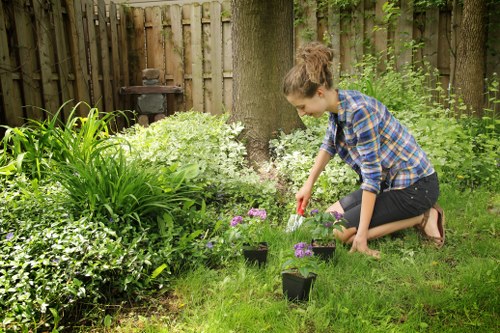
How our eco-friendly disposal zone works
Our eco-friendly disposal zone operates as a staged system: collection, sorting, processing and redistribution. We follow borough-level guidance on waste separation — such as segregating food and garden waste, separating recyclable plastics and metals, and keeping contaminated loads apart — to ensure material becomes a viable feedstock for composting, mulch production and material reuse centers.We collaborate closely with local transfer stations and regional hubs to streamline movements of garden and green waste to certified processors. Examples include partnerships with borough transfer stations and nearby recycling depots that process green and woody waste into soil improver and mulch. This reduces redundant journeys and helps maintain a low-carbon supply chain from garden gate to compost bay.
Our on-site segregation and reuse programmes are complemented by frequent drop-offs at local transfer facilities, which accept green waste, untreated timber, and soils for processing. Where boroughs operate kerbside garden waste collections with seasonal schedules, we coordinate collections to feed transfer stations efficiently and maximise diversion from landfill.
Local transfer stations and waste hubs
We work with a network of transfer stations and recycling centres across the boroughs to ensure compliant, traceable processing of garden refuse. These local transfer stations are crucial to an effective sustainable rubbish gardening area because they provide:- Consolidation and sorting points for green waste and reusable materials
- Access to certified composting and mulching operations
- Facilities to handle bulky timber and brick with recycling routes
We emphasise material quality at source. Clean, separated green waste produces higher-quality compost and mulch which can be returned to community gardens, parks and restoration projects. The higher the quality of sorting in the eco-friendly disposal area, the greater the value recovered for soil regeneration and plant health.
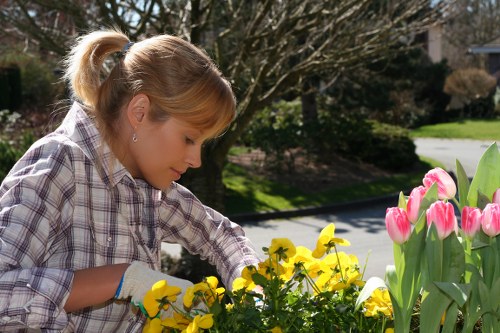 Partnerships with charities and community groups are central to our approach. We donate surplus compost, reclaimed stone, and serviceable planters to charities, urban farms and community gardens. By collaborating with local non-profits we keep usable materials in circulation — a core aim of sustainable rubbish gardening area planning — and ensure social as well as environmental benefits.
Our charity partnerships include tool-share programs, garden kit refurbishment and redistribution of serviceable furniture for community spaces. These relationships reduce the need for new purchases and help divert bulky items from waste streams. We never simply discard items that can be reused, repurposed or passed to community partners.
Operational sustainability also covers transport. To minimise emissions from collections and drop-offs, we operate a fleet of low-carbon vans: a mix of full-electric light vans and efficient hybrid vehicles for longer routes. These low-emission vehicles reduce driving emissions tied to the eco-friendly waste disposal area and demonstrate how sustainable practices can extend across logistics as well as material handling.
 Where possible we optimise van routes with software that minimises mileage and idling. Combined with electric charging at our depot and the use of shared transfer hubs, this approach lowers the overall carbon footprint of rubbish collection and improves the environmental performance of our sustainable garden waste disposal services.
Measurement and transparency are key. We track tonnages, diversion rates and the proportion of material reused or sent for high-quality recycling. This data informs our continuous-improvement plan to increase recycling percentages year-on-year and to meet the 70% target through better separation, stronger partnerships and community engagement.
We also support boroughs' approaches to waste separation by advising clients on how to separate green waste from food scraps, avoid contamination and identify materials that should be taken to specific recycling centres rather than general waste. These small changes at source increase the efficiency of transfer stations and raise the yield of usable compost and recycled materials.
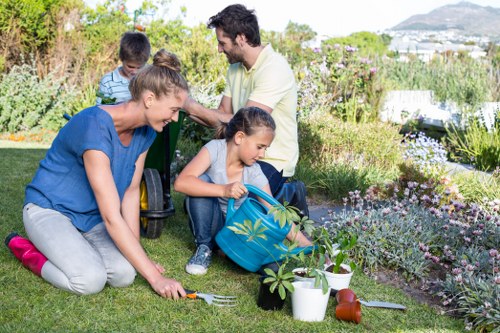 Our vision for a greener Seven Sisters includes an expanded network of drop-off points, deeper charity partnerships and a greening strategy that recovers value from garden waste. By combining an organised eco-friendly waste disposal area, a strong sustainable rubbish gardening area practice, and low-carbon logistics, Gardener Seven Sisters helps create resilient, circular neighbourhoods where garden refuse becomes a resource rather than a problem.